


Showing all 2 results
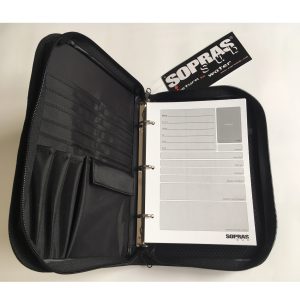
A dive logbook is both a personal record and a functional document. It tracks the progression of a diver’s experience over years of diving, provides evidence of logged dives for certification upgrades or speciality courses, and serves as a reference for gas consumption, exposure protection, and site conditions across a history of dives. This category includes the Soprassub Dive log organizer and a replacement filling — a two-component system designed so the binder outlasts multiple sets of log pages.
The Function of a Physical Dive Log
Dive computers and dive logging apps record depth profiles, bottom times, and gas data automatically, which has reduced the effort required to maintain a dive log. What they do not replace is the structural function of a physical logbook: a signed and stamped record that an instructor, divemaster, or dive operator can verify. Many certification agencies require a minimum number of logged dives for course entry, and those dives must be documented in a format that an examiner can review — a screen-captured app profile does not universally satisfy this requirement, while a hand-written log with instructor signatures does.
Beyond certification, a physical log captures context that no instrument records: water visibility, the name of the dive site, dive buddies, marine life observed, equipment problems encountered, and personal notes on navigation or technique. Over time, this record becomes a meaningful account of a diver’s development and a reference for planning future dives at the same sites.
Dive Log Organizer with Filling — Design and Capacity
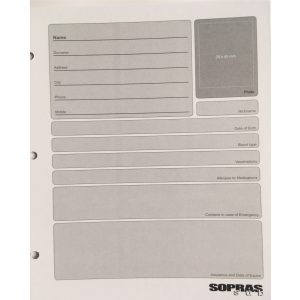
The Dive log organizer with filling is a binder-format logbook that combines a durable outer cover with a set of structured log pages. Each page typically includes fields for date, dive site, depth, bottom time, water temperature, visibility, gas details, and a freehand notes section, along with space for a buddy or instructor signature and a dive site stamp. The organizer format is designed for long-term use: when the included filling is complete, a replacement set of pages — the Filling for Soprassub dive log organizer — fits the same binder, extending its use without requiring a new cover. This reduces waste and preserves the original log in a single continuous volume rather than requiring a new logbook every hundred dives.
What to Look For
- Page format compatibility with your training agency’s requirements. Most certification agencies accept any structured dive log that captures the core data fields, but some have specific requirements for the layout of instructor signatures or training dive documentation. Confirm that the Soprassub log format satisfies the requirements of your agency before relying on it exclusively for certification documentation.
- Cover durability for field use. A logbook carried to dive sites is exposed to humidity, occasional water splash, and the mechanical wear of being packed and unpacked repeatedly. A binder with a moisture-resistant cover and robust spine binding will outlast a standard paper cover logbook many times over in these conditions.
- Page capacity per filling set. The number of dives per filling set determines how frequently replacement pages are needed. Divers who log 50–100 dives per year will exhaust a filling set at a different rate than those who dive less frequently. The Filling for Soprassub dive log organizer is available separately, making it straightforward to stock a spare set before the current one runs out.
- Space for dive site stamps. Many dive sites, liveaboards, and dive operators provide a stamp for logbooks — a visible record of the specific location that adds context and credibility to the log. Confirm that each log page includes a designated stamp area of sufficient size to accept a standard dive site stamp clearly.
- Compatibility between organizer and filling versions. If you already own a Soprassub dive log organizer, verify that the current Filling for Soprassub dive log organizer is compatible with your binder’s dimensions before ordering replacement pages.
Maintenance and Care
Keep the logbook in a waterproof bag or dry box when travelling to and from dive sites — a logbook that has been partially saturated with saltwater is extremely difficult to restore and the ink becomes unreadable as pages dry and stick together. At the dive site, complete the log entry as soon as possible after surfacing while dive data is fresh, then store the book in a protected location. The binder cover can be wiped clean with a damp cloth; do not submerge it. If any pages become damp from condensation or brief water contact, open the binder and allow the pages to dry separated before closing it — compressed damp pages bond together and tear on separation.
FAQ
Do I still need a paper logbook if I use a dive logging app?
Apps provide convenience and automatic data import from dive computers, but they do not universally satisfy the signed and stamped documentation requirements of certification agencies and some dive operators. A physical logbook with instructor signatures and site stamps remains the standard for course entry requirements, dive operator liability checks, and personal long-term records. Most experienced divers maintain both — the app for day-to-day data tracking and the paper log for formal documentation purposes.
What information should I record in each log entry?
A complete log entry should include date and location, maximum depth and bottom time, water and air temperature, visibility, entry and exit type, gas used and remaining pressure, equipment worn, buddy name, and a brief description of the dive. Instructor or divemaster signatures belong on training dives. Additional notes on marine life, navigation, or equipment observations add value over time. The more complete each entry, the more useful the log becomes as a reference for future dives at the same location or under similar conditions.
Can the Filling be used with other logbook binders?
The Filling for Soprassub dive log organizer is designed to fit the Soprassub binder specifically. The page dimensions and hole spacing may not match other binder formats. If you need to use the filling pages with a different binder, measure the ring spacing and page dimensions against your binder’s specifications before ordering.
How many dives fit in one filling set?
The capacity of a filling set depends on the number of log pages included and whether each page accommodates one or two dives. Check the product description for the specific page count of the Filling for Soprassub dive log organizer. Divers who complete multiple dives per day on liveaboards or intensive training courses will exhaust a filling set faster than those who dive recreationally on occasional trips.
Is a logbook required before I can take an advanced diving course?
Most certification agencies require documented logged dives as a prerequisite for advanced and speciality courses — the specific number varies by agency and course level. The PADI Advanced Open Water course, for example, requires proof of Open Water certification and typically expects at least the certification dives to be logged. For technical diving courses, minimum logged dive requirements are significantly higher and the documentation standard more rigorous. Maintaining a complete, signed logbook from the beginning of your diving history is the most straightforward way to satisfy these requirements without retrospective paperwork issues.