


Scuba regulators and everything around them: balanced diaphragm and piston first stages, a second stage, mouthpieces, adapters and swivels, the ExtraAir pony system and tools, O-rings and grease for regulator servicing.
More regulators and accessories can be found on SoprasTek.
-
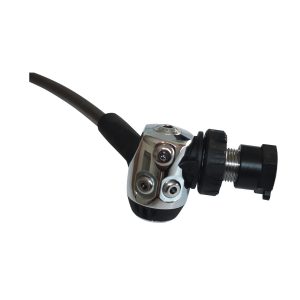
First stages (3)
-
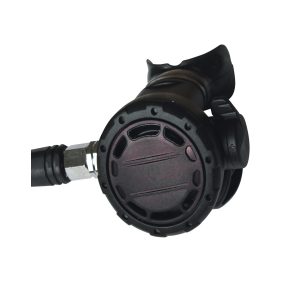
Second stages (1)
-
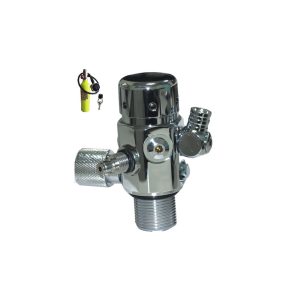
Accessories - Regulators (32)
-
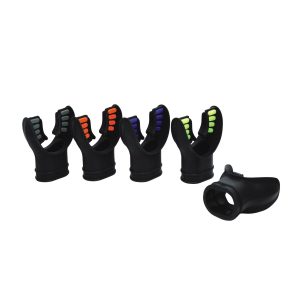
Mouthpieces (5)
-
Regulator servicing (12)
How a regulator works
A regulator reduces the high pressure in your cylinder in two steps. The first stage on the cylinder valve lowers it to an intermediate pressure of about 10 bar above ambient and feeds the hoses. The second stage in your mouth delivers air at ambient pressure whenever you inhale. A complete set usually has one first stage, a primary second stage, an octopus, a pressure gauge and an inflator hose for the BCD.
First stages
The compact balanced diaphragm Jupiter and the piston Genius, in DIN or INT versions.
Second stages
The Venus second stage with a 60 cm hose.
Accessories – Regulators
The ExtraAir pony system, adapters, swivels, valves, dust caps, octopus holders and more.
Mouthpieces
Standard, long, comfort and mouldable silicone mouthpieces.
Regulator servicing
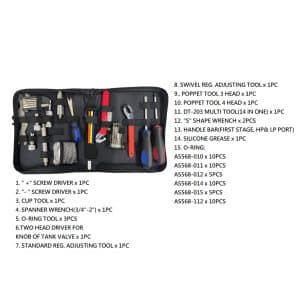
Service tool kits, intermediate pressure gauges, O-ring sets and oxygen-compatible grease.
Model overview
Key models from the subcategories at a glance.
| Product | Type | Best for |
|---|---|---|
| 1. stage Jupiter NEW | balanced diaphragm first stage | compact set-ups, cold water |
| 1. stage Genius NEW | piston first stage | dive centres, low maintenance |
| 2. stage VENUS NEW | second stage with 60 cm hose | primary second stage or octopus |
| Extra air source set | independent pony system | backup air source |
| Adapter DIN/INT | DIN/INT adapter | DIN regulator on INT cylinders when travelling |
| Scuba service tool kit | service tool kit | regulator and valve servicing |
DIN or INT
A DIN first stage screws into the cylinder valve, which holds the O-ring captive and suits pressures up to 300 bar. It is the standard in Central and Northern Europe and in technical diving. An INT (yoke) first stage clamps over the valve and is common in holiday destinations. Adapters let you use a DIN regulator on an INT valve and vice versa.
Diaphragm or piston
A diaphragm first stage keeps water out of the mechanism, which helps in cold or dirty water. A piston first stage has fewer parts, is robust and simple to service. In a balanced first stage, breathing performance stays the same as the cylinder pressure drops.
What to look for
- Connection. DIN or INT, depending on your cylinders and where you dive.
- Ports. Enough low-pressure ports for second stage, octopus, inflator and drysuit, and a high-pressure port for the gauge or transmitter.
- Cold water. For water below about 10 °C, choose a regulator suitable for cold water.
Care and maintenance
Put the dust cap on the first stage before rinsing, so that no water gets in. Rinse the regulator in fresh water while it is still under pressure or without pressing the purge button. Let it dry in the shade and do not store hoses tightly bent. Have the regulator serviced as recommended by the manufacturer, usually every one to two years.
Frequently asked questions
Should I buy a DIN or INT regulator?
DIN if you dive mainly with your own cylinders in Europe or plan technical diving. INT if you dive mostly abroad with rented cylinders. With an adapter, one can be used on the other.
How often should a regulator be serviced?
As recommended by the manufacturer, usually every one to two years, or sooner after heavy use or if it starts to free-flow or breathe harder.