


Showing all 9 results
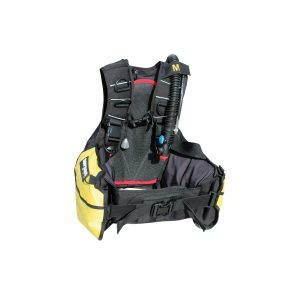
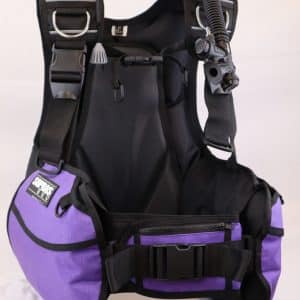
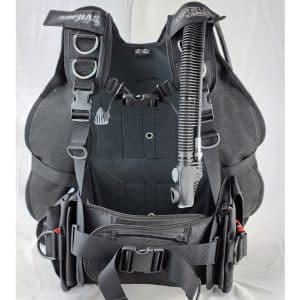
A complete BCD is a fully assembled buoyancy compensator ready to use out of the box — inflator, exhaust valves, harness, and bladder integrated into a single tested system. Whether you’re looking for an entry-level jacket for recreational diving, a mid-range vest for dive center use, or a technical wing configuration for more demanding environments, this category covers the full spectrum from the DIVECENTER and LZ 420 through the SPELEO 1500 TEC WINGS.
Choosing the Right BCD Configuration
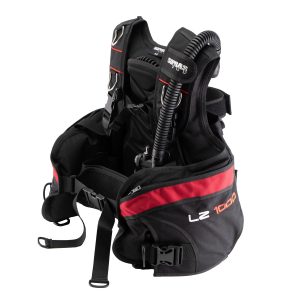
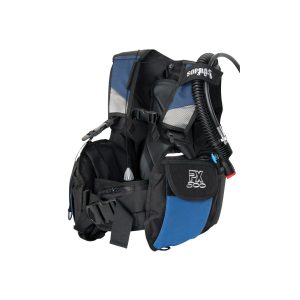
The primary split in complete BCD design is between jacket-style vests and back-inflate wing systems. Jacket BCDs — like the DIVECENTER, DIVECENTER DELUXE, LZ 420, LZ 1000, PX 500, SILVER 3000, and SILVER 4000 — wrap the bladder around the diver’s sides and back, providing stable upright flotation at the surface. This makes them well-suited to recreational diving, student instruction, and divemasters who spend extended periods on the surface between dives. The trade-off is that air in the side bladder sections can push a diver upright underwater, requiring active compensation to achieve a horizontal trim position.
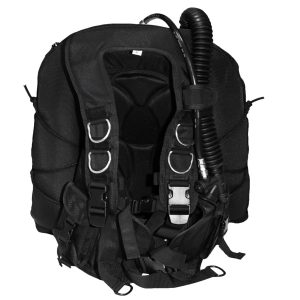
Back-inflate designs like the Horse shoe REC BCD and the SPELEO 1500 TEC WINGS concentrate all lift behind the diver. This naturally promotes horizontal trim, reduces drag, and integrates cleanly with technical configurations such as sidemount or double cylinders. The SPELEO 1500 uses a toroidal (donut) bladder geometry, which provides symmetrical lift regardless of how much gas is in the bladder and prevents the asymmetric collapse that can affect standard horseshoe wings at low inflation volumes.
Jacket BCDs: Recreational and Dive Center Use
The DIVECENTER and DIVECENTER DELUXE are built for institutional durability — these vests see heavy rotation in training environments and need to fit a wide range of body types reliably. The harness system on both includes independent shoulder and waist adjustments with quick-release buckles, and the integrated weight pockets are designed for single-hand release under stress. The DIVECENTER DELUXE adds a more refined harness geometry and a rear trim pocket for fine buoyancy adjustment without disturbing the main weight release system.
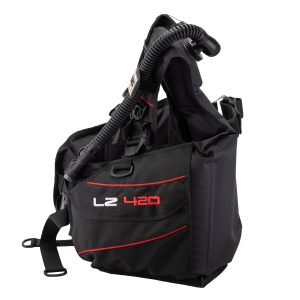
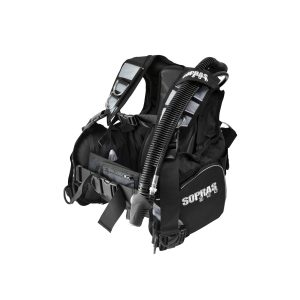
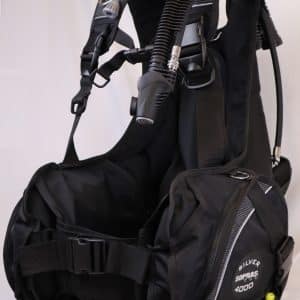
The LZ series addresses the mid-level diver who wants more ergonomic refinement than a dive center vest but doesn’t need a full technical configuration. The LZ 420 is the lighter, more compact option with a trimmer bladder profile suited to smaller divers; the LZ 1000 offers a larger lift capacity and additional D-rings for accessories. Both models use a sculptured harness back panel that reduces pressure points during long dives. The SILVER 3000 and SILVER 4000 sit at the top of the jacket range, with a reinforced back unit, additional exhaust valve positions, and a more substantial integrated weight system with trim pockets.
Technical and Advanced Recreational BCDs
The Horse shoe REC BCD bridges recreational and technical design — it uses a horseshoe-shaped back-inflate bladder with a conventional corrugated inflator hose and a harness that includes a crotch strap for secure positioning in overhead environments or during inverted orientations. This makes it a practical option for advanced recreational divers who want better trim than a jacket provides but aren’t building a full modular BP/W system.
The SPELEO 1500 TEC WINGS is designed explicitly for technical and overhead diving. The 15-liter toroidal donut bladder mounts to a backplate and uses a webbing harness compatible with DIR-style configurations. The donut geometry means inflation is always distributed symmetrically around the tank, which is especially relevant when diving with twin cylinders where the wing sits between two tanks — the bladder can inflate fully in both directions without being blocked by cylinder geometry.
What to Look For
- Lift capacity relative to your gear weight. Add up the weight of your cylinder in water (steel 12 l is typically −3 to −4 kg when full, aluminum 12 l is approximately +1 kg when empty), your ballast weight, and exposure suit buoyancy. Your BCD needs to exceed that combined load with margin. Undersized BCDs become a problem when you lose weight or flood a drysuit.
- Inflator compatibility and hose length. Complete BCDs ship with a specific inflator — verify that the low-pressure port hose length suits your regulator configuration. Left-hand first stage port positioning may require a longer corrugated hose than the default, particularly on jacket models where the inflator sits on the left shoulder.
- Number and accessibility of dump valves. Look for at least two exhaust points: the inflator shoulder dump and a lower rear OPV. Three-valve setups add a right shoulder dump for venting without rotating the body. All valves should operate with a gloved hand pull.
- Harness adjustment range. A BCD that fits correctly in the shop may feel different over a 5mm wetsuit versus a 3mm. Check the manufacturer’s size chart against your measurements with exposure suit, and verify that the harness has enough adjustment range at the chest, shoulder, and waist to compensate.
- Weight integration design. If you plan to use integrated weights, test the pocket release mechanism before buying — it should require only one pull with a gloved hand. Pockets that require squeezing and pulling simultaneously are a liability. Check that trim pockets (if included) are positioned to adjust your fore-aft balance, not just total weight.
Maintenance and Care
After diving in salt water, rinse the complete BCD exterior thoroughly with fresh water, then partially inflate the bladder, introduce fresh water through the oral inflate valve, slosh it internally, and drain via the lower dump valve with the BCD inverted. This removes salt residue that would otherwise crystallize inside the bladder and corrode the inflator mechanism. Repeat the internal flush at least twice. For the inflator specifically, submerge the mechanism while pressing both inflate and deflate buttons alternately to flush any salt water trapped in the valve seats.
Store complete BCDs hanging in a cool, dry location with the bladder partially inflated to prevent the bladder walls from bonding together. Avoid prolonged direct UV exposure, which degrades nylon-laminated bladder materials over time. Do not fold the BCD for storage — crease lines in the bladder can develop micro-fractures, leading to slow leaks that are difficult to locate.
Schedule a professional inspection every two to three years or after 200–300 dives. Service should include inflator disassembly and valve seat inspection, OPV spring tension verification, bladder pressure test, and harness hardware inspection for corrosion or webbing wear. Between service intervals, test inflator function before each dive by inflating and deflating through both the power inflator and oral valve, confirming no sticking or slow leak.
FAQ
What size BCD do I need?
BCD sizing is based primarily on torso length and chest circumference, not overall body size. Most manufacturers provide a size chart — measure your chest with your primary exposure suit on, since a 5mm wetsuit adds roughly 3–5 cm of circumference. If you’re between sizes, a larger size is generally preferable: a slightly oversized harness can be adjusted, while a harness that’s too tight restricts breathing and pulls the vest away from your body underwater.
Can I use a jacket BCD for technical diving?
Technically yes, but the design works against you. Jacket BCDs promote an upright body position, which increases drag and creates problems in overhead environments or during long decompression stops where horizontal trim is necessary. For anything beyond recreational no-decompression diving — particularly cave, wreck, or multi-cylinder configurations — a back-inflate or wing design is the appropriate choice.
What is the difference between the SILVER 3000 and SILVER 4000?
Both are premium jacket BCDs with reinforced construction and multiple exhaust valve positions. The SILVER 4000 has a larger bladder volume and lift capacity, making it better suited to divers using steel cylinders, drysuits, or heavier ballast. The SILVER 3000 is the lighter option with a slightly trimmer profile, appropriate for divers using aluminum cylinders and wetsuits who don’t need maximum lift reserve.
What makes the SPELEO 1500 different from other BCDs here?
The SPELEO 1500 TEC WINGS is a modular back-inflate system designed for technical and overhead diving. It uses a toroidal donut bladder that inflates symmetrically in a ring around the backplate, which is particularly effective with double cylinder configurations. Unlike jacket BCDs where the bladder is integrated into the outer shell, the donut bladder can be removed and replaced independently without replacing the harness or backplate.
How often should I have my BCD serviced?
Every two to three years for a full professional service — or sooner if you notice inflator sticking, unexpected buoyancy changes, or any audible gas leaking from the bladder. Between services, inspect the inflator function and valve operation before every trip. Replace overpressure valves proactively at service intervals rather than waiting for them to fail underwater; the parts cost is negligible compared to the risk of an uncontrolled ascent.