

A diving tank valve is the high-pressure gate fitted to the neck of the cylinder that controls gas flow between the tank and the regulator first stage. It incorporates the tank-to-regulator connection standard (DIN or A-clamp), an on/off spindle mechanism, and a burst disc safety relief rated to the cylinder’s working pressure. This section covers single-outlet Z valves (1 port), dual-outlet H and V valves (2 ports), and modular valve components for building and servicing manifold twinset configurations. Variants include standard EN 144, 300 bar, nitrox-rated, and US 3/4″ NPSM thread types.
For more valves please check https://soprastek.com/product-category/tanks/accessories-for-tanks/valves/
Valve Construction and Operation
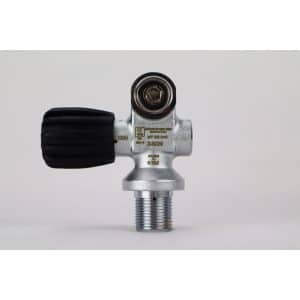
All valves in this range are brass-bodied with chrome-plated exterior finish. The tank connection is a standard M25×2 metric thread for European cylinders above 5 litres; smaller specialty cylinders use M18×1.5. The regulator connection at the top of the valve is either DIN (EN 144-1) — a threaded internal bore into which the regulator’s DIN insert screws, with an O-ring captured inside — or prepared for A-clamp/INT connection with an external port face and protruding O-ring groove. Most valves in this range are DIN; A-clamp insert adapters allow DIN valves to accept yoke regulators where required.
The on/off mechanism is a spindle valve — the handle turns the spindle against a valve seat to stop gas flow. The conventional direction for breathing gas valves is clockwise to close. Opening a valve fully and then turning it back a quarter turn is recommended practice to confirm the valve is not closed against its stop and to avoid confusion with a partially-open valve during a dive. The burst disc is a one-way pressure relief: if the cylinder is accidentally overfilled or exposed to extreme heat causing internal pressure to rise above the burst pressure, the disc ruptures and vents the gas rather than allowing catastrophic cylinder failure. Burst discs are matched to the working pressure of the valve — a 232-bar valve has a 232-bar burst disc; a 300-bar valve has a 300-bar burst disc. They are not interchangeable.
1 port
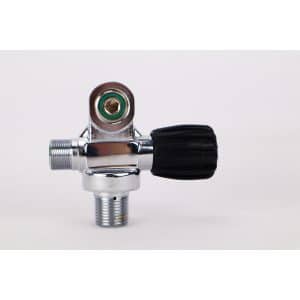
Single-outlet Z valves in EN 144 standard, 300 bar, nitrox G 5/8″, nitrox 26×2, US 3/4″ NPSM, and conical E17 thread variants. For recreational single-cylinder, sidemount, stage, and argon configurations.
2 ports
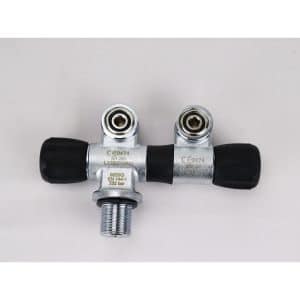
H-valve and V-valve configurations with two independent regulator connection points on a single cylinder. Standard EN 144, 300 bar, nitrox, adjustable, and H-valve screw model variants.
Modular valves
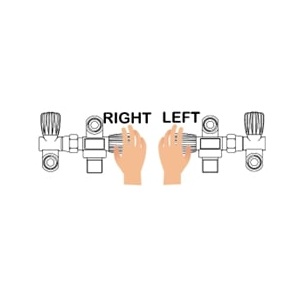
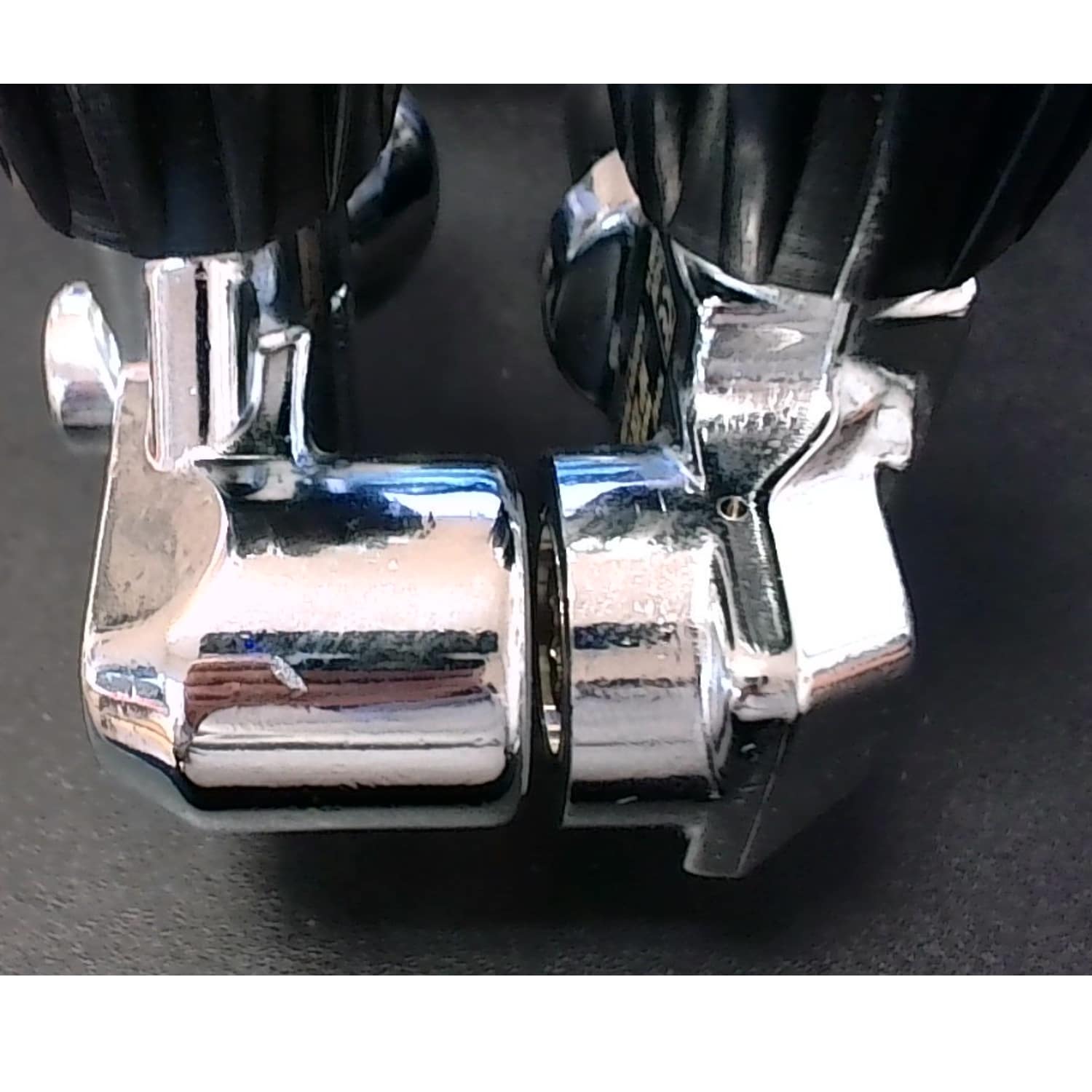
Individual modular components for building, extending, and servicing manifold twinset configurations: left/right modular monovalves, H-adapters, manifold parts with isolator (232/300 bar), second outlet screws, and closure plugs.
DIN vs. A-Clamp: Connection Standard Selection
The DIN connection is used across all valves in this range as the primary standard. A DIN 200-bar valve has a 5-thread bore accepting standard DIN regulators; a DIN 300-bar valve has a 7-thread bore, which is deeper and stronger. A 200-bar DIN regulator insert fits a 200-bar valve bore but not a 300-bar bore without an adapter; 300-bar regulator inserts fit both bore depths. If you intend to dive 300-bar cylinders, confirm that your regulator has a 300-bar DIN insert or contact the manufacturer. A-clamp regulators can be used on any DIN valve by fitting a DIN-to-A-clamp insert adapter into the valve bore; this is the most flexible approach for divers who dive at multiple locations with mixed regulator standards available on hire.
What to Look For
- Pressure rating matched to the cylinder. Never fit a 232-bar valve to a 300-bar tank or vice versa. The burst disc in each valve is calibrated to the working pressure of the specific valve model; mixing pressure ratings creates either an under-rated or an over-rated safety relief.
- Nitrox valve for oxygen-enriched mixes. Cylinders used for nitrox require a valve with oxygen-compatible seals and internal surfaces. The nitrox-specific valves in the range (26×2 EU and G 5/8″ nitrox models) are cleaned and rated for oxygen service. Standard valves are not suitable for EAN mixes above 21% without oxygen cleaning and rerating.
- Thread standard for your market and equipment. The standard in Europe is EN 144 (G 5/8″ regulator connection, M25×2 tank thread). The 3/4″ NPSM variant is for North American market compatibility. The conical E17 variant suits specific legacy regulator configurations. Confirm your regulator connection type before selecting a valve.
- Left-hand spindle convention. All valves in this range are left-hand configuration — the valve handle projects to the left of the cylinder when the regulator connection faces the diver’s right shoulder in standard back-mounted configuration. This is the convention for European diving; confirm orientation for twinset or sidemount configurations with your instructor or team.
Maintenance and Care
Fit the valve dust cap whenever the regulator is not connected. Inspect the DIN bore O-ring before each use — this O-ring is the primary gas seal; replace it if cracked, deformed, or compressed flat. Do not over-tighten the DIN regulator insert; hand-tight plus a half-turn is sufficient — excessive torque damages the O-ring and the valve bore threads. Rinse valves with fresh water after salt diving with the regulator connected if possible; if the valve port is exposed, prevent water ingress into the open bore. Lubricate the spindle and port O-rings with silicone grease only — never petroleum-based lubricant. Service valves annually: internal O-ring seat inspection, burst disc condition check, and spindle seal replacement are tasks for a trained technician. Do not attempt to replace a burst disc without confirming the replacement is rated to the exact working pressure of the valve and cylinder.
FAQ
What does the burst disc do and when does it need replacing?
The burst disc is a pressure safety device inside the valve body. It is a thin metal disc held across a vent port by a retaining plug. If the cylinder pressure rises above the burst pressure — due to overfilling, fire, or thermal expansion in a closed vehicle — the disc ruptures and vents gas through the valve body exterior rather than allowing catastrophic cylinder rupture. A burst disc that has not ruptured does not require routine replacement on a fixed schedule, but it should be inspected during annual valve service for corrosion, deformation, or signs of pressure creep. A burst disc that has already ruptured (any gas loss visible through the disc port) means the valve is out of service until the disc is replaced by a technician using the correct pressure-rated replacement disc for that valve.
Can I fit a DIN-to-A-clamp adapter to any valve in this range?
Yes. A standard DIN-to-A-clamp (INT) insert adapter can be fitted into the DIN bore of any 200-bar DIN valve in this range, allowing a yoke regulator to connect. The adapter is not suitable for 300-bar valves because the 7-thread 300-bar bore depth differs from the 5-thread 200-bar bore; ensure the adapter matches the bore depth of your specific valve. With the adapter fitted, the working pressure is limited to 232 bar regardless of the valve’s rated pressure — the A-clamp connection standard is not rated above 232 bar.
What is the difference between a V valve and an H valve?
Both are dual-outlet valves providing two independent regulator ports on a single cylinder. The H valve has the two outlet ports positioned side by side on the top of the valve, with the cylinder spindle handle extending from the body — the geometry resembles the letter H when viewed from above. The V valve positions the two outlets at an angle from a central body — the geometry resembles a V. Both achieve the same function: two independent breathing gas connections from one cylinder. The choice between them is typically determined by regulator configuration, available space, and personal or team preference. The adjustable double valve (V-valve variant) additionally allows the angular separation between the two ports to be adjusted.
What is the Left Z Valve (EN144) Conical E17 and who needs it?
The conical E17 valve uses a conical (tapered) thread for the regulator connection rather than the standard parallel DIN thread. This is a legacy connection standard used by certain European regulators produced before the widespread adoption of EN 144 DIN. It is not interchangeable with standard DIN regulators. This valve is needed only by divers who own regulators with a conical E17 first-stage connection — a relatively rare configuration today, but still in use with older equipment. If you are unsure whether your regulator uses DIN EN 144 or E17 conical, consult your regulator’s specification sheet or the manufacturer.