

Showing all 5 results
Correct weighting is a fundamental buoyancy control requirement for every scuba dive. This category covers the complete system: lead weights in hard plastic-coated and soft PVC formats in multiple mass variants, weight belts with quick-release buckle in assembled and strap-only formats, and a weight pocket for tank straps for integrated harness weighting. All weight formats are designed for standard weight belt threading or BCD integrated weight pocket loading.
Products in This Category
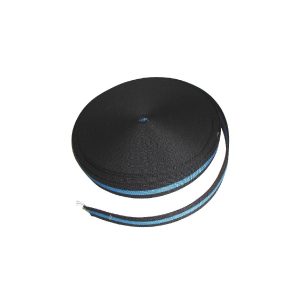
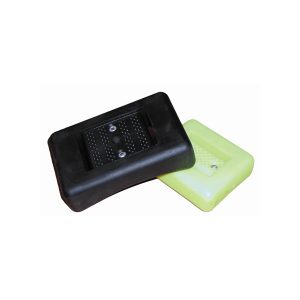
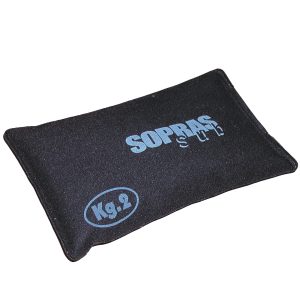
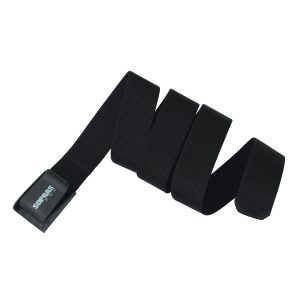
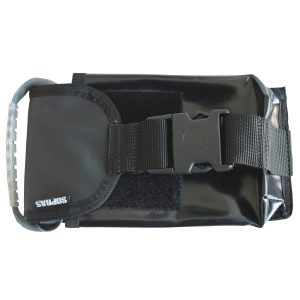
Two weight formats are available. Lead weights for belt with plastic coating (SKU 80541,2/K,Y,P) are hard lead slugs in multiple mass variants with a moulded plastic outer coating available in black, yellow, and pink. The plastic coating protects adjacent equipment from lead contact marks, improves grip when handling weights with wet hands, and prevents surface oxidation on the lead. Soft lead weights (SKU 805301,2,0) are lead shot contained in a flexible fabric or PVC envelope — the soft format conforms to body shape on the belt, distributes pressure more evenly around the waist, and is generally more comfortable for extended wear compared to hard slugs. Both types thread onto a standard weight belt strap. The Weight belt with plastic buckle (SKU 804310) is a complete assembled belt with a quick-release plastic buckle — pulling the buckle tab drops the entire weight load instantly as required in emergency ascent situations. The Diving belt strap (SKU 804300) is the rubber or nylon strap component sold separately, compatible with all standard weight formats, for divers who need a replacement strap or who assemble their own weight system. The Weight pocket for tank straps (SKU 240316) is a trim-weight mounting solution that attaches to cylinder straps on the BCD backplate or tank band — it accepts standard weight blocks and is used to add trim ballast at the back of the configuration, counteracting forward-heavy balance that occurs with certain equipment setups.
Weighting Principles
The correct total weight for a given diver depends on four variables: body composition (a heavier or more muscular diver needs more weight), wetsuit thickness and material (a thicker neoprene suit provides more buoyancy and requires more ballast to overcome), water salinity (salt water is denser than fresh water — a diver properly weighted for salt water is underweighted in fresh water and vice versa), and equipment configuration (steel tanks are negatively buoyant and partially self-weighting; aluminium tanks become positively buoyant as they empty and require more ballast). A diver wearing a 5 mm wetsuit in salt water may need 6–10 kg; the same diver in a 3 mm suit in fresh water may need only 2–4 kg. Correct weighting is verified at the surface by achieving neutral buoyancy with the BCD deflated, at eye level, with a near-empty tank — if the diver floats above the waterline or sinks, weight adjustment is required.
Weight distribution affects trim. A belt-only system places all ballast at the waist, which is conventional but creates a slight head-up trim for most divers. Distributing weight between the belt and rear trim pockets (such as the weight pocket for tank straps) achieves a more horizontal trim in the water, reducing drag and air consumption. Technical divers often distribute weight across belt, integrated BCD pockets, and tank-mounted trim pockets to achieve precise neutral horizontal trim.
Quick-Release Buckle: Safety Function
The quick-release buckle on a weight belt is a safety-critical component, not a convenience feature. In an emergency ascent scenario, dropping the weight belt removes the primary ballast load and allows the diver to reach the surface without having to swim against negative buoyancy. The plastic quick-release buckle on the weight belt uses a pull-tab mechanism — a single pull releases the entire belt. It is important that this mechanism functions correctly and that the diver can operate it one-handed while wearing gloves. Verify the buckle operation before each dive season and replace if the release mechanism is stiff, corroded, or does not release cleanly under load.
What to Look For
- Hard vs. soft weights for comfort and equipment protection. Soft lead weights are generally more comfortable for extended dives and multiple-dive days as they conform to the body rather than pressing as rigid blocks. The plastic coating on hard weights provides some protection to adjacent equipment, but soft weights are less likely to contact and scratch BCD buckles, hose fittings, and computer housings during a dive day.
- Weight belt vs. integrated BCD pockets. A weight belt is the conventional system and is independent of the BCD — it can be removed and put on quickly and works with any BCD including rentals. Integrated BCD weight pockets are permanently mounted and release via the BCD’s own quick-release mechanism. Many divers use both — a partial load on the belt and partial in integrated pockets — to distribute weight and preserve the quick-release emergency function on both systems.
- Tank strap weight pocket for trim correction. If a diver consistently dives head-up, or if the equipment configuration (heavy regulator set, aluminium cylinder becoming buoyant at end-of-dive) creates a forward-heavy trim, the weight pocket for tank straps provides a rear ballast point that corrects trim without adding to the belt load. This is more comfortable than adding excessive belt weight to compensate for a trim imbalance.
- Replacement strap vs. complete belt. The diving belt strap is the appropriate choice when only the strap has failed (stretched rubber, worn threading slot, damaged end) but the buckle is serviceable. The complete weight belt with buckle is the practical choice for a new setup or when both strap and buckle need replacing at the same time.
Maintenance and Care
Rinse weight belts and weights in fresh water after every salt water dive. Salt on rubber belt straps causes the rubber to stiffen and crack over time; salt on buckle mechanisms causes corrosion and can seize the quick-release function. Remove weights from the belt during rinsing — salt accumulates under the weight position on the strap where water does not reach easily if weights are left threaded. Store rubber belts loosely coiled or flat; do not store tightly coiled as this compresses the rubber permanently and reduces belt flexibility. Inspect the quick-release buckle before each dive season — the pull-tab mechanism should release cleanly under no-load test. Lead weights with plastic coating should be inspected for coating cracking or peeling; exposed lead oxidises to a white powder (lead carbonate) that can transfer to hands and equipment.
FAQ
How do I determine how much weight I need?
The standard buoyancy check is performed at the surface with all equipment donned, BCD fully deflated, holding a normal breath. A correctly weighted diver floats at eye level — the waterline is at the eyes or forehead when holding a normal breath; the diver sinks slowly when exhaling fully. If the diver floats with chest or shoulders above the waterline, weight needs to be added. If the diver sinks with a full breath, weight needs to be removed. This check is done with a near-empty cylinder (about 50 bar remaining), as a full cylinder is heavier and a near-empty aluminium cylinder is significantly more buoyant — failing to account for end-of-dive cylinder buoyancy is a common cause of being underweighted at the end of a dive.
What is the difference between the soft lead weights and the plastic-coated hard weights?
Hard plastic-coated weights are a rigid lead slug moulded into a fixed shape with a loop or slot for threading onto the belt. They are robust, maintain their shape permanently, and the plastic coat provides modest protection to equipment. Soft lead weights are a flexible envelope — fabric or PVC — filled with lead shot or granules. The flexible format conforms to the body at the waistline and distributes pressure over a wider contact area, which most divers find more comfortable during longer dives. Soft weights also absorb slight impacts without transferring hard contact to adjacent equipment. Both formats thread onto a standard weight belt and release with the same belt buckle mechanism; the choice is primarily one of comfort and personal preference.