

Showing all 10 results
2 and 3 mm wetsuits are the tropical and warm-water range — appropriate for water temperatures above 24°C, for summer surface diving, and as thermal underlayers in combination systems. This category covers full-length suits (Isida, Vegas, Phantom Jumpsuit), shorties with short legs and sleeves (Isida shorty, Phantom Man shorty), and 2 mm full suits for the warmest conditions.
Thin Suits and Their Applications
At 2–3 mm, a wetsuit primarily provides protection against abrasion, marine stings, and sun exposure rather than meaningful thermal insulation for diving. The thermal benefit is real but modest — a 3 mm suit extends comfortable dive duration in 24°C water from perhaps 60–70 minutes (bare skin) to 90–120 minutes by reducing direct heat transfer. Below 22°C, 3 mm suits become inadequate for divers who are not naturally warm-running, and 5 mm becomes the more appropriate choice.
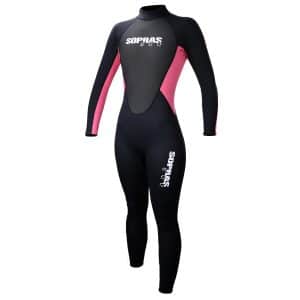
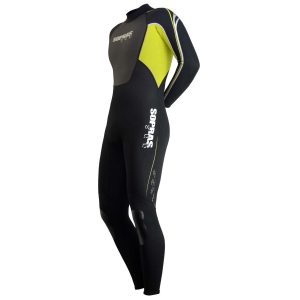
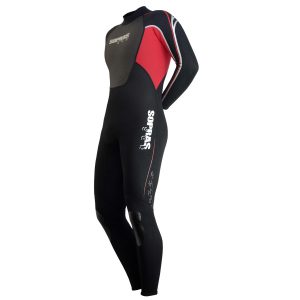
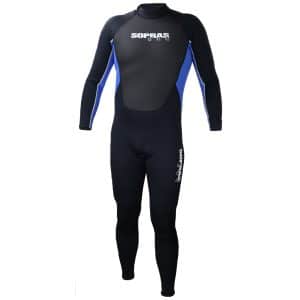
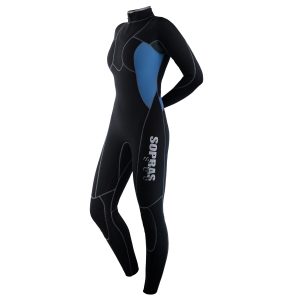
The Isida Man series covers three 2 mm configurations: black/grey, black/yellow, and a full suit, plus a 3 mm black/red variant. The Isida is a recreational full-length suit available across a broad size range, with a back-zip entry and standard nylon lining. The color variants beyond the standard black/grey offer visual distinction underwater, which can be useful for dive groups and instructors identifying students. The Isida Lady 2mm full suit and Isida Lady 3mm shorty follow the same construction with ladies-specific panel geometry.
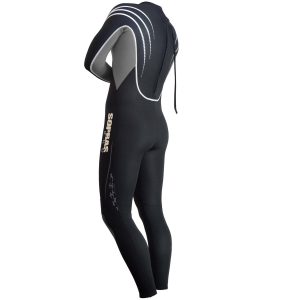
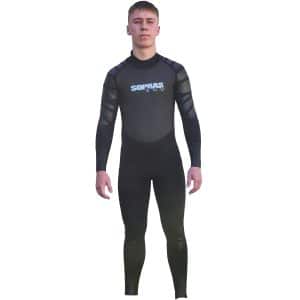
The Vegas Man 3mm and Vegas Lady 3mm are premium 3 mm suits positioned above the Isida in construction quality — more refined seam construction, improved neoprene compound, and more anatomical panel shaping. For divers who plan regular warm-water diving rather than occasional holiday use, the Vegas is the better long-term investment despite the higher price.
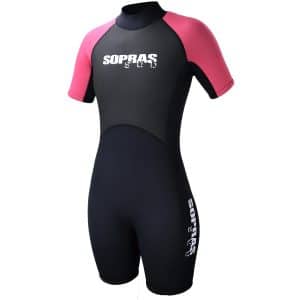
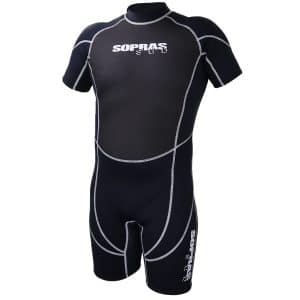
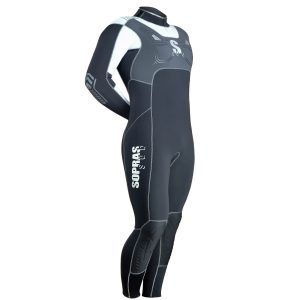
The Phantom Jumpsuit and Phantom Man 2mm shorty neoprene represent the shorty configuration — a suit with short sleeves and short legs that exposes the lower arms and lower legs. Shorties are popular for snorkeling, surface water sports, and shallow recreational diving in very warm water where a full-length suit creates overheating on the surface. The Phantom Jumpsuit is a full-length unisex 2 mm design for maximum range of motion.
What to Look For
- Full suit vs. shorty based on your exposure. A full-length suit provides better sun protection for the arms and legs during extended surface snorkeling and better marine sting protection in jellyfish-prone waters. A shorty is more comfortable on the surface in very warm conditions and eliminates the restriction at the wrists and ankles that full-length suits create. For snorkeling in tropical waters with jellyfish exposure, a full-length 2 mm is preferable; for short recreational dives in clear warm water, a shorty is more comfortable.
- 2mm vs. 3mm based on water temperature and duration. 2 mm provides UV and sting protection with minimal thermal insulation. 3 mm adds meaningful warmth for water in the 22–26°C range and for longer dive durations. If your typical dive day involves more than two hours of cumulative water time in 24°C water, the 3 mm is the better choice for sustained comfort.
- Interior lining comfort for skin contact. At 2–3 mm, the interior nylon lining is very close to the skin surface with minimal neoprene cushioning between the fabric texture and the skin. Rough or scratchy interior fabrics become noticeably uncomfortable over a full day of snorkeling. Test the interior texture against bare skin on the inner arm before purchasing — this is the most sensitive contact area and the best indicator of all-day comfort.
- Zipper quality and ease of use. Thin neoprene suits are easier to zip and unzip than thick suits, but the zipper is still the most common failure point over extended use. Check that the zipper pull is accessible without assistance and that the zipper slides smoothly without binding at the top and bottom stops. A zipper that requires significant force to operate is a sign of misalignment that will worsen with use.
- Travel packability. 2–3 mm suits compress significantly and pack into a small volume compared to 5–7 mm suits — a full-length 3 mm suit can typically be rolled to roughly the size of a football. For traveling divers who will be renting equipment at their destination but bringing their own personal suit for fit and hygiene reasons, this makes thin suits the practical choice for carry-on or minimized checked luggage.
Maintenance and Care
Thin wetsuits dry significantly faster than 5–7 mm suits but are more susceptible to UV degradation because the thin neoprene layer provides less barrier against UV penetration to the internal structure. Dry 2–3 mm suits in shade rather than direct sunlight whenever possible — UV exposure causes the neoprene to stiffen and become brittle faster in thin suits than in thick ones where the outer layers absorb the UV load before it reaches the inner neoprene cells. Store thin suits on hangers (even a standard clothes hanger is adequate for 2–3 mm suits, as the weight is low enough not to cause deformation) in a cool, dark location.
Rinse thoroughly after every salt water dive, paying attention to the zipper area. Thin suits are more likely to be used in sandy beach environments than thick cold-water suits, and sand that works into the zipper slider causes abrasive wear that prematurely fails the zipper. After rinsing, run the zipper through its full travel several times under fresh water to flush sand from the slider mechanism. A small amount of zipper lubricant applied to the teeth after rinsing extends zipper life significantly in sandy environments.
FAQ
Do I need a wetsuit for diving in the Red Sea or Maldives?
Water temperatures in the Red Sea and Maldives are typically 26–30°C — well within the range where a wetsuit is optional for warmth. However, a thin 2–3 mm suit provides meaningful protection against jellyfish stings, fire coral contact, and sun exposure during surface intervals, which makes it worth wearing even when water temperature doesn’t demand it. Divers who run cold or plan multiple dives per day will also find that core temperature accumulates over a dive day even in warm water, and a 3 mm suit delays the onset of the mild shivering that reduces enjoyment of later dives in a long dive day.
Can I use a 2mm suit as an underlayer beneath a 5mm suit?
Yes — this is a legitimate use case for 2 mm suits. Wearing a 2 mm underlayer beneath a 5 mm wetsuit increases effective thermal protection to approximately 7 mm at the torso while maintaining the greater flexibility of the 5 mm suit relative to a conventional 7 mm design. The practical limitation is that donning the 5 mm suit over the 2 mm underlayer is significantly more difficult, as the outer suit’s interior has no clearance for the underlayer. A dedicated neoprene undervest (available in the Accessories – Others subcategory) is a more practical approach to this combination, as a sleeveless design is much easier to wear beneath a full-length suit than a sleeved underlayer.
What is a “Jumpsuit” wetsuit?
A jumpsuit wetsuit (the Phantom Jumpsuit here) is a one-piece suit that covers the full body from ankles to wrists and neck — the same coverage as a standard full-length wetsuit, but with a cut and construction optimized for maximum freedom of movement rather than thermal insulation. The Phantom Jumpsuit in 2 mm neoprene is designed for warm-water use where the primary needs are sun and sting protection and unrestricted movement. The name comes from the suit’s resemblance to a work jumpsuit in shape — a single-piece garment with legs and arms.
How long does a 2–3mm wetsuit last compared to a thicker suit?
Thin wetsuits generally have a shorter service life than 5–7 mm suits when used with equal frequency, for two reasons. First, the thinner neoprene layer provides less physical protection against UV degradation and abrasion, which accelerates aging. Second, thin suits are often used in higher-UV tropical environments where the degradation rate is faster. With proper care — shade storage, fresh water rinsing, avoiding direct sun drying — a quality 2–3 mm suit should provide 3–5 years of seasonal use. Divers who use their thin suit primarily for two weeks of annual holiday diving may see the suit last 8–10 years before the neoprene loses its flex and the seams begin to delaminate.
What is the difference between the Vegas and Isida suits?
Both are full-length 3 mm wetsuits for similar water temperatures, but the Vegas uses a higher-quality neoprene compound with improved stretch and durability compared to the Isida’s standard construction. The Vegas also has more anatomically refined panel geometry that reduces seam placement at high-friction contact points. For divers who dive warm water regularly and want a suit that maintains its fit and flexibility over years of use, the Vegas is the better investment. The Isida is the appropriate choice for occasional holiday use where cost is the primary consideration.