

Showing all 9 results
Small items that protect, organise, and maintain regulator equipment between dives and during transport. This section covers dust caps for DIN and INT first stages, octopus holders in standard and magnetic versions, silicone second stage covers, coloured hose wraps for port identification, air pistols for hose purging, and aluminium O-ring storage containers for field servicing.
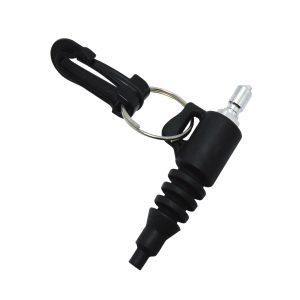
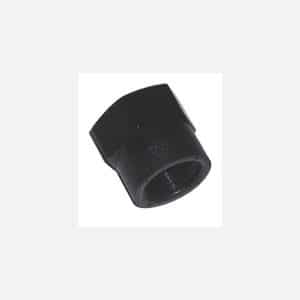
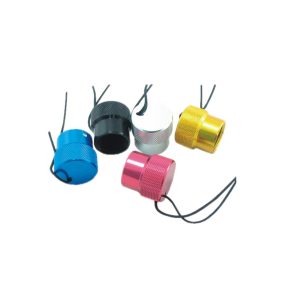
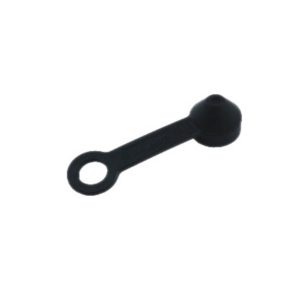


Protecting and Managing Regulator Equipment
Regulators contain precision-machined internal components that are sensitive to contamination. Every time a first stage is disconnected from a cylinder, the inlet — and its filter and O-ring seat — is exposed to the environment. Dust caps (plastic for standard INT valve protection; plastic and aluminium DIN caps for DIN first stage inlets) provide the primary barrier against moisture, particulate, and physical damage during transport and storage. The DIN dust cap in aluminium is the more robust option for frequent handling — the threads are less susceptible to damage from repeated fitting and removal compared to plastic.
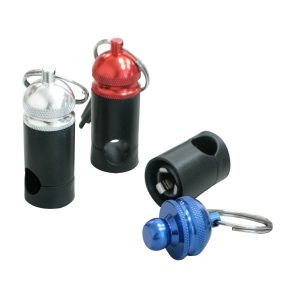
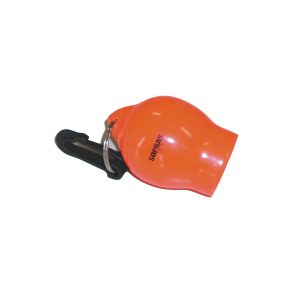
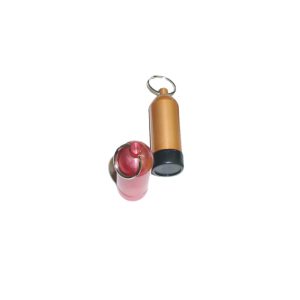
The silicone mouthpiece cover caps the second stage mouthpiece opening during transport and storage, keeping the interior clean and dry. The air pistol is a low-pressure blower used to clear residual water from the second stage interior and hose ends after rinsing — directing air into the mouthpiece and exhaust tee dries the internal passages more effectively than gravity alone. The small aluminium tank for O-rings is a compact field storage container that keeps spare O-rings dry, clean, and immediately accessible during equipment assembly at the dive site.
Octopus Holders
The octopus holder (standard clip type) and magnetic octopus holder both serve the same purpose: securing the alternate air source second stage in the rescue triangle — the triangular area between chin, left shoulder, and right hip — where it is accessible to both the diver and a buddy in an emergency. The standard holder uses a positive retention clip; the magnetic holder uses a neodymium magnet that holds the second stage firmly but releases on deliberate pull without requiring a button press. Hose wraps in multiple colours allow port hoses to be colour-coded by function — a practical convention for quickly identifying the primary, octopus, BCD, drysuit, and SPG hoses during pre-dive checks.
What to Look For
- DIN vs. INT dust cap: Match the dust cap to the first stage inlet type. DIN dust caps thread into the DIN port; INT (yoke) dust caps cap over the INT inlet. Having a correctly fitting dust cap is not optional — it is the primary protection for the first stage filter and inlet O-ring.
- Magnetic vs. clip octopus holder: The magnetic holder offers faster single-hand deployment under stress, which is valuable when assisting a panicking out-of-air diver. The clip holder provides positive retention that cannot be accidentally released by equipment contact but requires a deliberate unclip action. Both are suitable; choice depends on diving environment and personal preference.
- O-ring size range in the aluminium container: Confirm the O-ring container is stocked with sizes relevant to your equipment — first stage HP and LP port O-rings, hose O-rings, and SPG port O-rings are the most commonly needed field replacements. The container itself is general-purpose; O-rings are purchased separately from the regulator servicing category.
- Hose wrap colour convention: Establish a consistent colour-coding convention across your equipment — for example, yellow for octopus, blue for drysuit, red for SPG — and apply it to all hose wraps. This allows rapid hose identification in low visibility or when wearing thick gloves.
- Air pistol output pressure: The air pistol is a low-pressure tool for drying internal passages — it should not be used to blast high-pressure air into second stages or through ports, as this can displace lubricant from internal seats and force particles deeper into the mechanism.
Maintenance and Care
Rinse all items in this category in fresh water after saltwater dives. The DIN aluminium dust cap threads should be kept lightly lubricated with a film of silicone grease to prevent galling and ensure smooth removal even after extended storage periods. Inspect the silicone mouthpiece cover periodically for tears or hardening — a cracked cover no longer forms a reliable seal. The magnetic octopus holder should be checked for corrosion at the magnet housing and for secure attachment to the BCD D-ring or clip point; a holder that detaches during the dive defeats its purpose. O-ring containers should be kept sealed between uses to keep contents dry, particularly in humid tropical environments where spare O-rings can degrade if left exposed.
FAQ
Do I need a dust cap on my regulator?
Yes. Whenever the first stage is disconnected from a cylinder — during transport, between dives, or in storage — the inlet must be capped. Without a dust cap, the first stage inlet filter and O-ring seat are exposed to moisture, sand, fibres from equipment bags, and physical impact. Even a small particle lodged against the HP O-ring seat can cause a leak under pressure. Keep a correctly fitted dust cap on the first stage inlet at all times when not connected to a cylinder.
How do I keep track of which hose connects to what?
Hose wraps in different colours are the standard solution — wrap each hose at the first stage end (or both ends) with a different colour and apply a consistent colour convention across your kit. Some divers additionally use a small cable tie or coloured o-ring on each port to identify port assignments. Pre-dive buddy checks should include tracing each hose from the first stage to its destination device, particularly after equipment changes or when assembling in low visibility conditions.
Can I use the magnetic octopus holder with any second stage?
The magnetic octopus holder works with any second stage that has a smooth metal or plastic body area near the mouthpiece end — which covers the vast majority of recreational second stages. The magnet attaches to the regulator body surface; ensure the contact area on your specific second stage is sufficient for a firm hold by testing in water before relying on it in a live situation.
What O-ring sizes should I carry in the field?
The most commonly needed field O-rings for a standard recreational regulator setup are the HP port O-ring (typically AS-010 or AS-012 size, depending on first stage), LP port O-rings (AS-012 or AS-013), hose end O-rings (the small O-ring inside the hose swage), and pressure gauge port O-ring. A dedicated regulator O-ring kit covering all port sizes for the specific first stage model is the most reliable way to ensure the correct sizes are on hand. These are available in the Regulator Servicing subcategory.
Is the air pistol safe to use on regulator internals?
The air pistol is designed for low-pressure drying of external hose ends, second stage interiors (via the mouthpiece), and BCD inflator ports — it is not intended for internal first stage cleaning. Do not direct the air pistol into open LP or HP ports on the first stage, as even low-pressure air can displace lubricant from O-ring grooves and push debris toward the inlet filter. First stage internal cleaning is a workshop procedure performed during proper service.