


Showing all 3 results
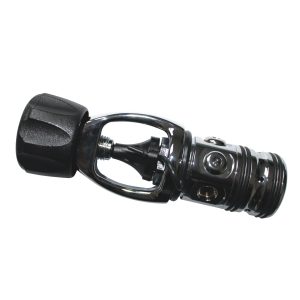
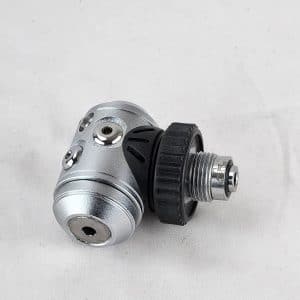
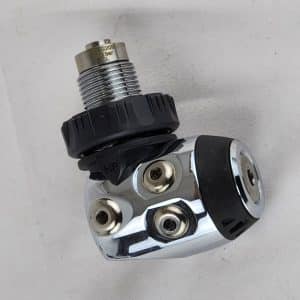
The first stage is the foundation of every regulator system — it mounts directly to the cylinder valve and reduces tank pressure to a stable intermediate pressure for delivery to the second stage, BCD inflator, drysuit, and pressure gauge. The Genius NEW, Jupiter NEW, and Jupiter 300 bar cover DIN and INT connections from standard 200 bar recreational fills through high-pressure 300 bar technical cylinders.
For more stages please check SoprasTek.
First Stage Function and Design
A first stage regulator performs one task: reducing cylinder pressure — which starts at 200 or 300 bar — to an intermediate pressure (IP) typically 8–10 bar above ambient. This IP is maintained consistently regardless of tank pressure or depth, ensuring predictable delivery to every downstream device. The mechanism achieving this is either a piston (simpler, fewer moving parts, often more responsive in warm water) or a diaphragm (isolates internals from water, preferred for cold or dirty water environments).
The Jupiter NEW is the mid-range first stage designed for 200 bar DIN and INT cylinders, offering multiple LP and HP ports for a full hose configuration including primary second stage, octopus, BCD, and SPG. The Jupiter 300 bar variant accommodates high-pressure fills common in technical diving and at facilities using 300 bar compressors, available in DIN 300 and INT configurations. The Genius NEW is the entry-level first stage designed for recreational divers who need a reliable, uncomplicated setup at 200 bar.
Port Configuration and Hose Planning
Before selecting a first stage, map out the complete hose configuration needed. LP (low-pressure) ports connect the second stage, octopus, BCD inflator, and drysuit valve. HP (high-pressure) ports supply the submersible pressure gauge or dive computer with cylinder pressure data. The number and orientation of LP and HP ports on the first stage body determines how cleanly the hose routing works, especially for backmount or sidemount configurations. The Jupiter series provides enough ports for a full recreational setup with room for redundancy.
What to Look For
- 200 bar vs. 300 bar rating: Match the first stage rating to your cylinder valve. Using a 200 bar INT first stage on a 300 bar fill is unsafe; the Jupiter 300 bar is specifically designed and tested for high-pressure service.
- DIN vs. INT connection: DIN threads directly into the valve for a more secure seal and is required for 300 bar; INT (yoke) clamps over the valve post and is more universally available at rental centres. Consider your primary dive environment and whether you own cylinders or rent.
- Number of LP and HP ports: A typical recreational diver needs 3–4 LP ports and 1 HP port minimum. Technical or drysuit divers may need additional ports. Count your downstream devices before purchasing.
- Environmental sealing: For cold water diving in temperatures below 10°C, confirm whether the first stage requires an environmental kit or is rated for cold water use out of the box. Cold water protection prevents ice formation inside the mechanism during the pressure expansion cooling effect.
- Service kit availability: The long-term cost and practicality of ownership depends on service kit availability and technician familiarity with the model. Sopras regulators are serviced across the European dealer network with standardised service kits.
Maintenance and Care
After every dive session, fit the dust cap to the first stage inlet before rinsing. Immerse in fresh water without pressing the purge button on any attached second stage, as this can draw water back toward the first stage mechanism. Allow to soak for 15–30 minutes, drain, and dry fully before storage. Check the HP and LP port o-rings periodically — particularly after hose changes — and replace any that show cracking, deformation, or compression set. Annual workshop servicing should include replacement of all internal O-rings, inspection of the piston or diaphragm seat, IP measurement under load, and verification that the environmental seal (if fitted) is intact. Use only oxygen-compatible lubricant — Christo-Lube OXY or equivalent — for any internal component servicing, particularly if the regulator is used with enriched air nitrox.
FAQ
What intermediate pressure should a first stage be set to?
Most recreational first stages are factory-set to an IP of 8–10 bar above ambient (i.e., 8–10 bar above surrounding water pressure at any depth). The exact target IP varies by model and is specified in the service manual. IP that is too low causes the second stage to breathe hard; IP that is too high increases the risk of free-flow, particularly in cold water. IP is checked and adjusted during servicing using an intermediate pressure gauge connected to an LP port.
Can I use the Jupiter NEW with a 300 bar cylinder?
No — the Jupiter NEW is rated for 200 bar maximum working pressure. For 300 bar cylinders, the Jupiter 300 bar first stage is specifically designed and pressure-rated for high-pressure service. Using a 200 bar first stage on a 300 bar fill creates a pressure overload risk and voids any warranty or certification. Always match the regulator pressure rating to the cylinder fill pressure.
How many hoses can I connect to a Sopras first stage?
The Jupiter series first stages offer multiple LP and HP ports — sufficient for a primary second stage, octopus, BCD inflator, drysuit, and SPG in a standard recreational or drysuit configuration. The exact port count and layout is listed on the product page. If you need more LP ports than the first stage provides natively, a port adapter (T-piece or 360° LP adapter) can expand the configuration.
What is the difference between the Genius and Jupiter first stages?
The Genius NEW is designed for recreational divers who need a straightforward, reliable first stage for standard 200 bar setups. The Jupiter NEW offers a more complete port configuration suited for divers running a full hose layout including drysuit and octopus. The Jupiter 300 bar extends this to high-pressure cylinder compatibility. All three are available in DIN and INT variants.
Do I need to service my first stage if it seems to be working correctly?
Yes. Internal O-rings and seats degrade with use and time regardless of apparent function. A first stage that passes air silently may still have an IP that has drifted outside specification, reducing breathing performance under load or increasing free-flow risk. Annual service — or at a minimum after every 100–200 dives — is the standard recommendation across all major manufacturers and training agencies, and is a prerequisite for manufacturer warranty coverage in most cases.