

Showing all 5 results
The regulator mouthpiece is the direct interface between the diver and the second stage — its geometry, material, and fit determine jaw comfort on every dive. Standard silicone, long silicone, dual comfort silicone, and heat-mouldable mouthpieces cover the range from basic replacement to custom-fit solutions for divers who experience fatigue or discomfort during longer dives.
More accecories for regulators can be found here.
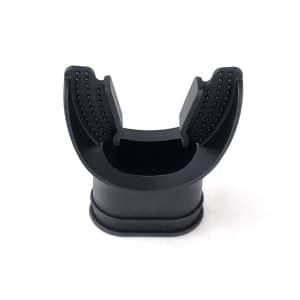
Mouthpiece Types and Fit
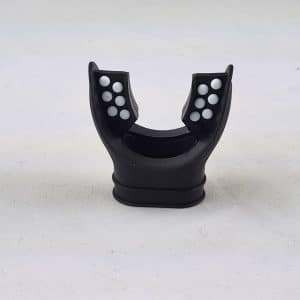
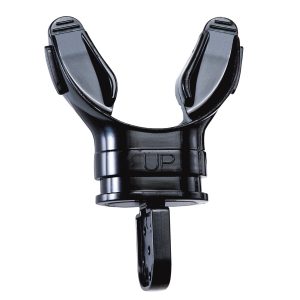
All mouthpieces in this range use medical-grade silicone, which is body-safe, flexible at low temperatures, and resistant to UV and saltwater degradation. The standard silicone mouthpiece is a direct replacement for the factory-fitted mouthpiece on most second stages and fits the universal 9 mm inlet tube diameter. The silicone mouthpiece long extends the bite tab forward, which some divers find reduces the need to tilt the head forward to position the regulator comfortably.
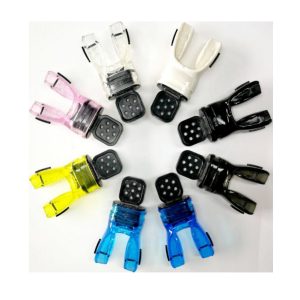
The Comfort dual silicone mouthpiece uses a two-part construction with separate bite tabs of different firmness, reducing the clamping force needed to hold the mouthpiece in the mouth. It is available in multiple colours (green, red, blue, yellow, white) — useful for colour-coding primary and octopus second stages in a buddy team or instructor/student setup. The mouldable mouthpiece (available in black and transparent colours) uses a thermoplastic insert that softens in warm water and sets to the exact geometry of the individual diver’s bite, creating a custom fit that eliminates residual jaw fatigue entirely.
When to Replace a Mouthpiece
Mouthpieces degrade with use. Signs that replacement is needed include: visible tearing or cracking of the bite tabs, hardening of the silicone (which increases the clamping force needed), permanent compression deformation of the bite tabs, or any separation at the mouthpiece-to-inlet-tube junction. A failed mouthpiece junction can admit water into the second stage, which then passes to the diver on inhalation. Inspect the mouthpiece at every pre-dive assembly check and replace at any sign of degradation — they are inexpensive relative to the discomfort and risk of a failed mouthpiece underwater.
What to Look For
- Inlet tube diameter compatibility: Most second stages use a standard 9 mm or 10 mm inlet tube. Confirm your second stage tube diameter matches the mouthpiece before ordering — the product listings indicate compatibility for standard second stage fittings.
- Bite tab thickness and geometry: Thinner bite tabs require less clamping effort but may compress more on longer dives. Wider or anatomically contoured bite tabs distribute jaw pressure more evenly. The dual comfort design addresses this with a compound structure; mouldable mouthpieces solve it entirely through custom fit.
- Mouldable mouthpiece fitting process: Heat-mouldable mouthpieces must be softened in water at approximately 60–70°C, placed in the mouth while soft, and bitten down lightly to form the impression. The thermoplastic sets as it cools. Read the fitting instructions for the specific model carefully — over-softening reduces the quality of the final impression.
- Colour for equipment identification: The Comfort dual silicone mouthpiece in yellow or a yellow silicone cover applied to the octopus second stage is the widely recognised standard for alternate air source identification. Coloured mouthpieces on the primary regulator help identify individual divers’ equipment in a shared kit environment.
- Retention security: A mouthpiece secured with a properly tightened cable tie should not shift under bite pressure or water flow. After fitting a new mouthpiece, test retention by tugging firmly on the mouthpiece body before the first dive.
Maintenance and Care
Remove the mouthpiece from the second stage after each dive trip and rinse separately in fresh water, paying attention to any folded silicone areas where salt can accumulate. Inspect the interior bore and the junction with the inlet tube for salt deposits or mildew — a diluted vinegar soak (1:4 in fresh water for 15–30 minutes) removes salt and biological residue effectively without degrading silicone. Allow to dry fully before refitting. Store mouthpieces away from UV exposure and ozone sources; ozone from electrical equipment causes silicone to crack and harden prematurely. Mouldable mouthpieces retain their custom shape under normal diving temperatures but will soften and lose the custom fit if left in a hot car or exposed to water above 50°C — store in a cool, shaded environment.
FAQ
Will a mouldable mouthpiece fit any second stage?
Mouldable mouthpieces fit second stages with standard inlet tube diameters — typically 9 or 10 mm — which covers the vast majority of recreational and technical second stages. Confirm the inlet tube diameter of your second stage before ordering. The mouthpiece is secured with a cable tie in the same way as any standard replacement mouthpiece.
How do I mould a heat-mouldable mouthpiece?
Fill a container with water heated to approximately 60–65°C (not boiling). Submerge the mouthpiece for the time specified in the instructions — typically 20–30 seconds — until it becomes visibly soft and pliable. Remove with tongs or clean gloves, allow to cool for 5–10 seconds until comfortable to handle, then insert in the mouth with the bite tabs between upper and lower teeth and bite down gently with normal dive pressure. Hold for 30–60 seconds while the mouthpiece cools and sets. If the result is not comfortable, reheat and repeat — most mouldable mouthpieces can be remoulded several times.
How is the Comfort dual silicone mouthpiece different from a standard silicone mouthpiece?
The Comfort dual silicone uses a two-material construction — a firmer inner core for structural support and a softer outer layer at the bite tabs where the jaw contacts. This reduces the constant clamping effort needed to grip the mouthpiece during the dive, which is the primary cause of jaw fatigue on long dives. The standard single-material silicone mouthpiece is a uniform hardness throughout — suitable for shorter dives and everyday use.
Can I use a coloured mouthpiece to identify my octopus?
Yes — this is the standard convention. A yellow mouthpiece (or yellow silicone mouthpiece cover from the Other accessories section) on the octopus second stage provides immediate visual identification for both you and your buddy. In an out-of-air emergency, a buddy should be able to locate the octopus by colour without hesitation. Confirm the colour-coding arrangement with your regular dive buddies so the convention is understood by everyone in your team.
When should I replace my mouthpiece?
Replace immediately if any bite tab shows tears, cracks, holes, or significant deformation. Replace preventively if the silicone has hardened noticeably compared to a new mouthpiece — hardened silicone increases jaw fatigue and is a sign of material degradation that will worsen. For mouldable mouthpieces, replace if the custom impression has degraded to the point of discomfort. As a general rule, inspect at every annual service and replace if there is any doubt — mouthpieces are low cost relative to the discomfort and water ingestion risk of a failed one.