

The regulator is the single piece of equipment that makes scuba diving possible — it converts high-pressure cylinder air into breathable gas at ambient pressure, on demand, every breath. A well-matched regulator system covering first stage, second stage, and supporting accessories determines not just comfort but safety margins, especially in cold water, at depth, or during high-workload dives.
Browse first and second stages from the Genius, Jupiter, and Venus lines, along with ExtraAir backup systems, DIN/INT adapters and swivel connections, silicone and mouldable mouthpieces, and a complete range of service tools and O-ring kits. For technical and extended-range regulators, visit SoprasTek.
For more regulators and its accesories visit SoprasTek sites.
Regulator Systems: First Stage, Second Stage, and Beyond
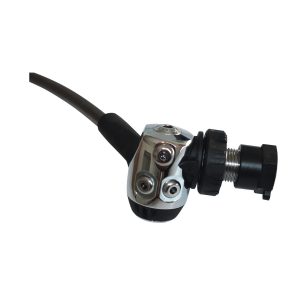
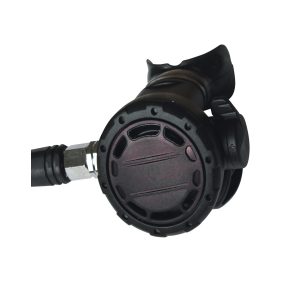
A scuba regulator works in two stages. The first stage attaches directly to the cylinder valve — DIN or INT (yoke) — and reduces tank pressure (200–300 bar) to a stable intermediate pressure, typically 8–10 bar above ambient. From there, the second stage delivers air to the diver on inhalation demand, matching exactly the surrounding water pressure regardless of depth. The quality of this two-stage pressure reduction defines how easily and reliably air flows under all conditions.
The Jupiter 300 bar first stage handles modern high-pressure cylinders, while the Jupiter NEW and Genius NEW cover standard 200 bar setups across DIN and INT configurations. The Venus NEW second stage pairs with any of the first stages as a primary or backup second stage. For divers who want a fully redundant air source without a pony bottle, the ExtraAir integrated backup system provides an independent first stage with integrated regulator mounted directly on the BCD inflator.
First Stages
Genius NEW, Jupiter NEW, and Jupiter 300 bar — piston and diaphragm first stages in DIN and INT versions for 200 and 300 bar cylinders.
Second Stages
Venus NEW second stage for use as primary or octopus, with downstream valve mechanism and adjustable inhalation effort.
Accessories
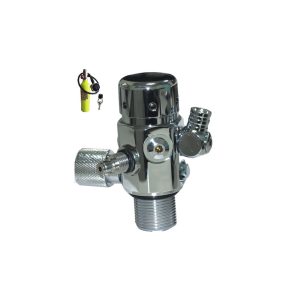
ExtraAir backup systems, DIN/INT adapters, 360° swivels, LP/HP port connections, octopus holders, dust caps, and hose wraps.
Mouthpieces
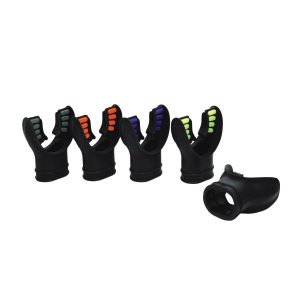
Standard silicone, long silicone, dual comfort silicone, and mouldable heat-form mouthpieces for personalized jaw fit and breathing comfort.
Regulator Servicing
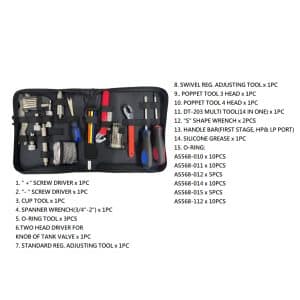
O-ring sets, Christo-Lube OXY grease, adjustment tools, intermediate pressure gauges, and complete scuba service tool kits for workshop and field maintenance.
DIN vs. INT and Pressure Ratings
The two main cylinder connection standards are DIN (Deutsche Industrie Norm), which threads directly into the valve, and INT (international/yoke), which clamps over the valve post. DIN connections are mechanically more secure and required for 300 bar cylinders; INT is more common in recreational dive centres globally. Both Jupiter and Genius first stages are available in either standard, and DIN/INT adapter kits allow switching between systems as needed.
The 300 bar connection adapters for Jupiter/Neptune and Genius/Zenith allow upgrading existing first stages to accommodate high-pressure fills. For travel and dive centre use, adapter kits covering DIN-to-INT and INT-to-DIN conversions are available individually.
What to Look For
- First stage type — piston vs. diaphragm: Piston first stages are simpler and often breathe easier in warm water; diaphragm designs isolate the internal mechanism from the water, making them more reliable in cold, silty, or contaminated conditions.
- Port count and configuration: Count your HP and LP ports against your planned hose setup — SPG, BCD inflator, drysuit, second stage, and octopus all need LP ports; pressure gauges use HP. Confirm the first stage offers enough ports in the right positions before purchasing.
- Cylinder connection standard: Match the first stage connection (DIN 200, DIN 300, or INT) to your cylinders and training facility infrastructure. Adapters solve occasional mismatches but a native fit is always preferable.
- Cold water performance: In water below 10°C, regulators can free-flow or freeze due to the Joule-Thomson cooling effect during expansion. Diaphragm first stages with cold-water environmental kits and second stages designed for low-temperature use are necessary for diving in temperate European lakes and waters.
- Service interval and parts availability: Regulators require professional servicing typically every 1–2 years or after 100–200 dives regardless of apparent condition. Confirm service kits and O-ring sets are readily available for the model before committing.
Maintenance and Care
After every dive, and especially after sea dives, rinse the entire regulator system thoroughly in fresh water — with the dust cap firmly in place on the first stage to prevent water ingress. Never press the purge button while rinsing; this opens the second stage and forces water toward the first stage. Soak in clean fresh water for 15–30 minutes, then allow to dry fully in a shaded, ventilated area before storage. Never dry in direct sunlight or near heat sources, as silicone components degrade under UV and heat.
Lubricate first stage O-rings periodically with oxygen-compatible grease — Christo-Lube OXY is the specified product for regulators exposed to enriched air or pure oxygen use. Standard silicone grease is not safe for oxygen service. Store regulators coiled loosely without sharp bends in the hoses, ideally in a padded regulator bag. Do not store with the second stage purge button depressed. Annual inspection and servicing by a qualified technician using proper adjustment tools and intermediate pressure gauges ensures the regulator performs within specification and catches wear before it becomes a safety issue.
FAQ
What is the difference between a DIN and INT regulator?
DIN regulators thread directly into a recessed valve, creating a sealed metal-to-metal connection that is more secure and rated for 300 bar cylinders. INT (yoke) regulators clamp over a protruding valve post and are more widely available at rental centres worldwide. DIN-to-INT adapters allow a DIN first stage to connect to INT valves when travelling, making DIN a versatile choice for divers who own their own cylinders.
How often should a regulator be serviced?
Most manufacturers and dive training agencies recommend annual servicing or every 100–200 dives, whichever comes first. Even if the regulator appears to function normally, internal O-rings, seats, and springs degrade over time with exposure to compressed air, salt, and pressure cycling. A service includes disassembly, cleaning, replacement of wear parts from a service kit, reassembly, and bench testing with an intermediate pressure gauge to verify correct IP and cracking effort.
Can I use a recreational regulator for cold water diving?
Standard recreational regulators may free-flow or partially freeze in water below 10°C due to rapid pressure drop during air expansion cooling the mechanism. For cold water — Czech quarries, Alpine lakes, North Sea or Baltic diving — a regulator with a sealed or cold-water-rated first stage is strongly recommended. If in doubt, consult the manufacturer’s rated temperature range for the specific model.
What is an octopus and do I need one?
An octopus (alternate air source / AAS) is a second second-stage connected to a spare LP port on the first stage, used to provide air to a buddy in an out-of-air emergency. It is a standard requirement for recreational scuba diving training and certification. The octopus is typically colour-coded yellow and should be clipped in the triangle area of the torso, accessible to both the diver and their buddy. Octopus holders — both standard clip and magnetic types — keep it secured and streamlined.
What is the ExtraAir system and who is it for?
The ExtraAir system integrates a compact first stage and regulator into the BCD inflator mechanism, drawing from a small independent cylinder (S6 or S13) mounted on the BCD. It provides a fully independent redundant air source without requiring a separate pony bottle regulator setup. ExtraAir is suited for recreational divers who want a simple, streamlined redundancy option and for dive professionals who need a reliable backup when assisting students or clients in confined water.