


Mask, fins, and snorkel — collectively called ABC equipment — are the foundation of every dive. They define your field of vision, your propulsion efficiency, and your ability to breathe at the surface between dives. This category covers the full range: single-lens and twin-lens diving masks, wide-view multi-window masks, open-heel fins with adjustable straps, full-foot fins for snorkeling and warm-water diving, a complete selection of snorkels from basic tubes to dry-top models, and all the maintenance accessories to keep everything performing correctly.
-
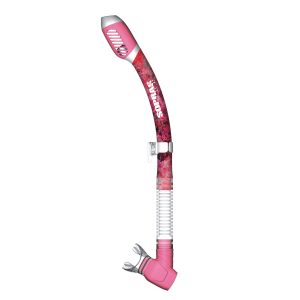
Snorkels (9)
-
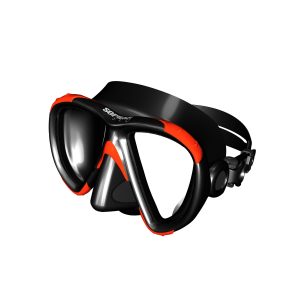
Masks 2-glasses (10)
-
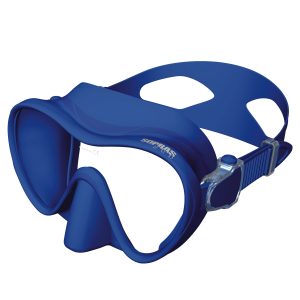
Masks 1-glass (6)
-
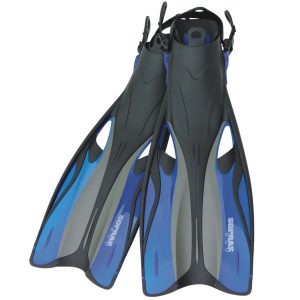
Fins with strap (8)
-
Accessories (18)
-
Full foot fins (7)
-
Masks 3 and more glasses (2)
Choosing the Right ABC Combination
ABC gear is highly individual — no single combination works for every face shape, foot size, or diving style. A mask that seals perfectly on one diver may leak on another with a narrower nose bridge or higher cheekbones. Fins that feel comfortable in a dive shop can become a source of calf cramps on a 45-minute reef dive. The subcategories here separate the range by product type so you can evaluate options within each category before combining them into a complete setup.
Masks 1-glass
Single-lens masks with a continuous unframed or framed panoramic lens. Models include the frameless Frameless and Frameless Star II, the low-volume Occhio and Forte, and the Excel series — suited to divers prioritizing a wide, unobstructed field of view and a compact mask volume.
Masks 2-glasses
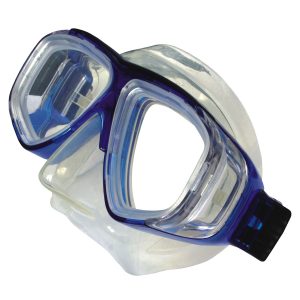
Twin-lens masks with separate left and right lenses in a divided frame. Includes the Amica, BRAVA, Curiosa, Gentile, Leggera, LUCIDA Aluminium Frame, Magica, and SHIC — the divided frame construction is compatible with prescription lens inserts for divers who wear corrective lenses.
Masks 3 and more glasses
Wide-view masks with three or more lens panels, including side windows for expanded peripheral vision. The Visual (4-window) and Potente with purge valve offer the broadest field of view, with the Potente adding a one-way purge valve for easy mask clearing without tilting the head.
Fins with strap
Open-heel fins with an adjustable heel strap, worn over dive boots. Covers entry-level recreational fins (JUMP, SHIC, Nemo) through mid-range scuba fins (NAUTILUS, EXCEED, POWER, Forza cinque, Veloce) for use with neoprene boots in cold and temperate water.
Full foot fins
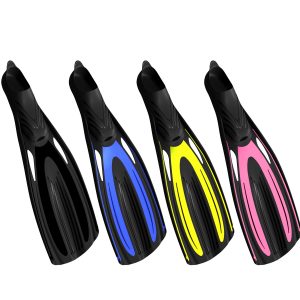
Closed-heel fins worn directly on bare feet or thin neoprene socks, primarily for snorkeling, warm-water diving, and travel. Includes the FLEXA, SPIDER, Legend, Linea, Nautilus Snorkeling fins, Grillo NEW, and Veloce II.
Snorkels
From basic J-tube models (Vesuvio, Tornado, Morbido) to semi-dry and dry-top designs with splash guards (Luminoso dry snorkel, Mykonos, Santorini, Gentile, Ciclone, Shic). All models use standard silicone mouthpiece construction.
Accessories
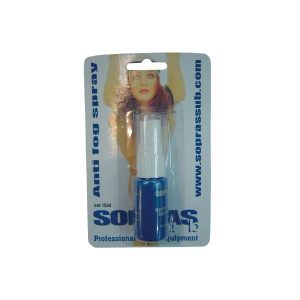
Mask anti-fog solutions, neoprene and silicone mask straps, mask boxes and pouches, replacement mouthpieces, snorkel keepers, fin straps, and field repair kits — everything needed to maintain and customize your ABC gear between dives.
Mask Construction: What Actually Matters
The single most important factor in mask selection is the fit of the silicone skirt against your face. The skirt must form a continuous seal around the mask perimeter without gaps at the nose pocket, cheekbone contact points, or upper lip area. Testing fit without the strap is the standard method: press the mask against your face without inhaling and release — the mask should stay in place from the slight negative pressure created by the seal. If it falls away immediately, the skirt geometry doesn’t match your face shape.
Lens material is standardized across the range: all diving masks use tempered safety glass rather than acrylic or polycarbonate, because tempered glass shatters into rounded granules rather than sharp shards under impact, and it maintains optical clarity under the pressure differentials encountered at recreational depths. The lens count — single, twin, or multi-window — affects field of view and the ability to fit prescription corrective lenses. Twin-lens masks (the two-glass category) can accept optical lens inserts because each lens is independently framed; single-lens designs generally cannot.
Low-volume masks like the Occhio and Frameless series have a reduced air space between the lens and the diver’s eyes, which means less air is needed to equalize mask pressure on descent and the mask is easier to clear if flooded. High-volume masks provide a wider field of view but require more deliberate pressure equalization. For freediving or snorkeling, low volume is almost always preferable; for scuba, the difference is marginal.
Fins: Blade Geometry and Foot Pocket Design
Fin performance is determined by the interaction between blade stiffness, blade length, foot pocket fit, and the diver’s kick style. A stiffer blade generates more thrust per kick cycle but demands more muscular effort — suited to divers with strong leg muscles diving in current. A softer blade is more forgiving on the ankle and calf but provides less thrust per stroke, which is acceptable for calm, shallow recreational diving where efficiency rather than power is the priority.
Open-heel fins with adjustable straps accommodate neoprene dive boots, which is necessary for cold water diving and for protecting the feet on rocky entries and exits. The strap adjustment allows a secure fit regardless of boot thickness. The POWER and Forza cinque are the stiffest, highest-thrust options in the open-heel range; the NEMO and JUMP are softer, more travel-friendly options. Full-foot fins — the closed-heel designs like SPIDER, Linea, and Veloce II — fit directly on bare or lightly socked feet and are lighter and more compact for travel, but require correct shoe sizing for comfort over extended use.
What to Look For
- Mask seal test before purchase. Press the mask against your face without the strap and inhale gently — it should hold from suction alone with no leaking points. Check particularly at the nose pocket sides and upper lip area, which are the most common leak points for divers with wider or narrower face geometry.
- Fin blade stiffness matched to your fitness and dive environment. Stiffer fins are more efficient in current but fatigue the legs faster. If you’re diving multiple times per day in warm flat water, a medium-stiffness fin like the NAUTILUS or EXCEED provides a better endurance balance than maximum-thrust options. Reserve high-stiffness fins for specific conditions where the thrust advantage is actually needed.
- Snorkel bore diameter and mouthpiece comfort. A snorkel bore that’s too narrow creates breathing resistance; one that’s too wide requires more effort to clear after a surface dive. Standard recreational snorkel bore is approximately 22–25 mm internal diameter. For the mouthpiece, silicone is significantly more comfortable over extended use than harder plastic variants — all models here use silicone mouthpieces.
- Open-heel fin fit with boots, not bare feet. Always size open-heel fins while wearing the neoprene boots you’ll actually dive in. A fin that fits correctly over bare feet will be loose over 5mm boots, which causes blisters, wasted kick energy, and potential loss of the fin in surge.
- Anti-fog treatment for new masks. New mask lenses have a silicone film residue from manufacturing that causes persistent fogging even with commercial anti-fog solutions. New masks should be pre-treated: apply a small amount of non-gel toothpaste to the lens interior, scrub gently with a finger, rinse thoroughly, and repeat 3–5 times before the first dive. After this initial treatment, standard anti-fog solutions work correctly.
Maintenance and Care
Rinse all ABC equipment with fresh water immediately after every dive, before salt water has a chance to dry on the surfaces. Salt crystals that form on silicone skirts make the material stiffer over time and accelerate UV degradation. For masks, rinse with the lens facing down so salt water drains away from the skirt rather than pooling at the nose pocket. Store masks in their protective case or pouch — even minor scratches on tempered glass lenses create optical distortion that becomes distracting at depth. Apply anti-fog solution (such as the GA Sea Drops or GA Sea Gold in the Accessories subcategory) before each dive rather than relying on saliva, which has a shorter effective window.
Fins should be rinsed and stored flat or hanging by the blade tip — storing fins standing on the blade tips for extended periods can cause the blade to develop a permanent curl at the tip under its own weight. For open-heel fins, rinse the heel strap buckle mechanism and flex it several times under fresh water to remove salt from the ratchet or cam components. Neoprene dive boots left in the fin foot pocket between diving sessions trap moisture and accelerate rubber degradation in both the boot and fin foot pocket.
Snorkel mouthpieces are replaceable — the Mouthpiece anatomic in the Accessories subcategory is available in multiple sizes for different jaw geometries. Replace mouthpieces that show visible cracking, permanent deformation, or surface tackiness, which indicate silicone degradation. Store snorkels loosely coiled rather than compressed under other gear, as sustained compression set in the silicone tube body can reduce its ability to return to full round cross-section, increasing breathing resistance.
FAQ
How do I choose between a single-lens and twin-lens mask?
Single-lens masks (1-glass) provide a wider, unobstructed field of view with no center frame dividing the visual field — this is the main advantage. Twin-lens masks (2-glasses) have a divided frame between the lenses that sits in the center of the visual field, which some divers find intrusive and others don’t notice. The significant practical advantage of twin-lens masks is that the individual lenses can be replaced with prescription corrective lenses — divers who wear glasses and don’t use contact lenses should consider twin-lens designs for this reason alone.
What is the difference between a dry snorkel and a standard snorkel?
A dry snorkel has a float valve mechanism at the top of the tube that seals the opening when submerged, preventing water entry. A standard J-tube snorkel has no such mechanism — any wave splash or submersion fills the tube with water, which must be cleared by forcefully exhaling through the mouthpiece on surfacing. For snorkeling on the surface, a dry top is convenient; for scuba diving, where the snorkel is submerged repeatedly during descents, most experienced divers prefer a simple semi-dry or plain tube that is lighter, smaller, and has no mechanism to fail or become clogged with salt deposits.
Should I use open-heel or full-foot fins for scuba diving?
For scuba diving in temperate or cold water where you’re wearing neoprene dive boots, open-heel fins with an adjustable strap are the appropriate choice — full-foot fins don’t fit correctly over boots. For warm tropical diving where you enter the water in bare feet or light neoprene socks, full-foot fins are lighter, more streamlined, and don’t require separate boots. Many experienced divers own both: open-heel fins for local cold water diving and full-foot or travel fins for warm-water trips.
Can I use a diving mask for snorkeling?
Yes — a diving mask works perfectly for snorkeling. The reverse (using a snorkeling mask for scuba diving) depends on the mask’s depth rating. Standard recreational snorkeling masks with the same tempered glass construction as diving masks are generally depth-rated for recreational diving. Full-face snorkeling masks with acrylic or polycarbonate lenses are not suitable for scuba diving — the lens material cannot handle the pressure differential at depth.
How do I stop my mask from fogging during dives?
Persistent fogging in a new mask is caused by silicone manufacturing residue on the lens interior — treat it with toothpaste as described in the What to Look For section above. For masks that have been properly treated, apply anti-fog solution before each dive and rinse with a small amount of seawater (not fresh water) just before putting the mask on. The thin film of anti-fog solution on the lens prevents condensation droplets from forming. Avoid touching the inside of the lens with fingers between application and entry — skin oils immediately compromise the anti-fog film.