


Showing all 7 results
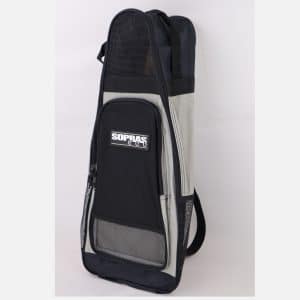
Fin and snorkel accessories cover the replacement parts and small hardware that keep ABC equipment usable season after season. This category holds spring straps and conventional rubber replacement straps for open-heel fins, snorkel keepers in fixed and swivel versions, an anatomic mouthpiece in multiple sizes, and a snorkelling bag. These are the components that fail first on otherwise serviceable equipment — a broken fin strap ends a dive day, and a replacement costs a fraction of a new pair of fins.

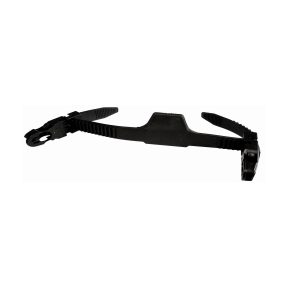
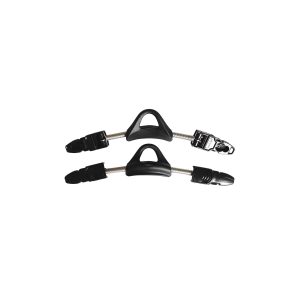
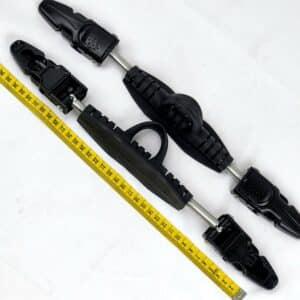
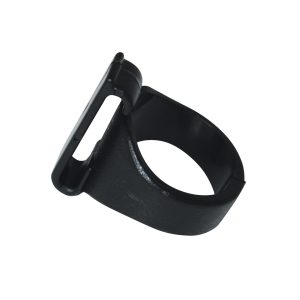
Fin Straps: Rubber and Stainless Spring
The heel strap is the shortest-lived component on an open-heel fin. It sits under cyclic tension every time the fin is donned and removed, it takes the full load of the fin during the kick cycle, and it is the part most exposed to UV degradation when equipment dries in the sun. Fin bodies routinely outlast three or four sets of straps.
The Replacement strap for fins is the conventional rubber strap with an adjustment buckle — a direct like-for-like replacement for the original strap on most open-heel fins. It is inexpensive, fits a wide range of fin models, and is the appropriate choice when the original strap has simply reached the end of its service life.
The S.S. spring strap for fins with plastic buckles replaces the adjustable rubber strap with a stainless steel coil spring and fixed-length attachment. A spring strap has no adjustment mechanism: it is sized once to the boot and then maintains constant tension automatically. This changes the way fins are donned — the heel is pushed through the spring rather than the strap being loosened and re-tightened — and it removes the two most common strap failure modes at once, since there is no buckle to jam with salt and no rubber to crack with age. Spring straps are standard equipment in technical diving and are increasingly common in recreational use for exactly this reason. The trade-off is that they must be correctly sized at purchase, since there is no adjustment range to compensate for a different boot thickness later.
Snorkel Keepers: Fixed and Swivel
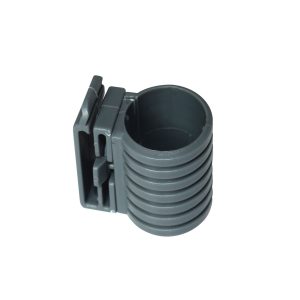
A snorkel keeper attaches the snorkel to the mask strap. The Snorkel keeper is the standard fixed version — a silicone or rubber sleeve that grips the snorkel tube and clips onto the strap, holding the snorkel at a set angle. The Swivel snorkel keeper adds a rotating joint between the tube clamp and the strap clip, which allows the snorkel to pivot as the head turns and to fold back against the head during descent rather than levering against the mask strap. For divers who keep the snorkel attached throughout a scuba dive, the swivel version reduces the drag and the intermittent pull on the mask strap that can break the mask seal.
Mouthpieces
The Mouthpiece anatomic is a replacement silicone mouthpiece available in several sizes, fitting both snorkels and regulator second stages with a standard tube diameter. Mouthpiece replacement is the single most effective comfort upgrade available for a diver who experiences jaw fatigue: the factory mouthpiece supplied with most equipment is a compromise size, and moving to a mouthpiece that matches the individual jaw width eliminates the unconscious clenching that causes fatigue over a 45-minute dive. Silicone mouthpieces also degrade — cracking at the bite tabs and surface tackiness are both signs that replacement is due.
What to Look For
- Spring strap sizing with your actual boots. Spring straps have no adjustment range, so the size must be correct at purchase. Measure with the neoprene boots you dive in, not bare feet. A spring strap that is slightly too long allows the heel to lift during the up-stroke; one that is too short is difficult to don and puts constant pressure on the Achilles tendon.
- Buckle compatibility before ordering. Both rubber and spring straps attach through the fin’s existing buckle frames. Most recreational open-heel fins use standard buckle dimensions, but confirm the attachment style on your specific fins — some models use a proprietary quick-release buckle that only accepts the manufacturer’s own strap.
- Swivel keeper for scuba, fixed keeper for snorkelling. If the snorkel stays on the mask strap for the whole dive, the swivel version is worth the small additional cost. For surface snorkelling where the snorkel is always in use and always in the same position, the fixed keeper is simpler and has nothing to wear out.
- Mouthpiece size rather than material. All mouthpieces in this range are silicone, so the material choice is already made. Selection comes down to size: the mouthpiece should seat with the jaw at its natural rest angle, with the lips sealing around the tube without effort and no need to bite to retain it.
- Keep a spare strap in the kit bag. Strap failures are almost always discovered at the dive site rather than at home, and a fin without a strap is unusable. A spare rubber strap costs little and takes no space; carrying one turns a cancelled dive into a five-minute delay.
Maintenance and Care
Rinse straps and keepers in fresh water after every salt water dive. On rubber straps with adjustment buckles, work the buckle through its full range several times under running water — salt that dries inside the buckle mechanism is what eventually causes the release to jam. Stainless spring straps need less attention but should still be rinsed at the coil and at the plastic buckle ends, where salt collects between the spring windings and accelerates surface corrosion.
Dry all rubber components out of direct sunlight. UV exposure is the primary ageing mechanism for rubber straps and keepers — a strap dried on a sunny boat deck after every dive will crack in a fraction of the time of one dried in shade. Inspect rubber straps at the start of each season by stretching them fully and looking for surface cracking at the buckle attachment loops, which is where failure begins.
Replace silicone mouthpieces at the first sign of cracking at the bite tabs, permanent deformation, or a tacky surface. A mouthpiece that is starting to fail causes a slow leak that is easy to miss during a dive but leads to progressive jaw fatigue as the diver unconsciously bites harder to maintain the seal.
FAQ
Are spring straps worth the extra cost over rubber straps?
For divers who dive regularly, yes. Spring straps remove the two most common failure points — the adjustment buckle that jams with salt and the rubber that cracks with age — and they maintain constant tension without readjustment, which makes donning fins in the water noticeably faster. For a diver who dives a handful of times per year, a rubber strap is entirely adequate and the cost difference is harder to justify. The one situation where spring straps are close to essential is diving in cold water with thick gloves, where operating a conventional buckle behind the heel is genuinely difficult.
How do I size a spring strap correctly?
Measure the distance around the heel of the boot you dive in, from one fin buckle attachment point to the other, following the path the strap will take. Spring straps are sold in length ranges; select the range that places your measurement in the middle rather than at either extreme. If you dive with two different boot thicknesses, size for the thicker boot — a spring strap is slightly forgiving of being a little loose, but a strap that is too short cannot be forced.
What is the advantage of a swivel snorkel keeper?
The swivel joint lets the snorkel rotate relative to the mask strap instead of transmitting every movement to it. During descent, water pressure against the snorkel tube would otherwise lever it against the strap and can break the mask seal at the temple. With a swivel, the snorkel folds back along the head and the pull on the strap is eliminated. For surface snorkelling the advantage is minor; for scuba divers who leave the snorkel attached, it is a genuine improvement.
Can the anatomic mouthpiece be used on a regulator as well as a snorkel?
Yes, provided the tube diameter matches. The mouthpiece attaches with a cable tie or retaining ring around the tube, and standard snorkel and regulator second stage tube diameters are close enough that the same mouthpiece fits both in most cases. Check the tube diameter of your second stage before ordering. On a regulator, fit the mouthpiece and secure it with a new cable tie rather than reusing the original — a mouthpiece that detaches underwater is a genuine hazard.